Skip to main content 1
Objects Gallery
25
Icon

Stained Bronze: About us, but without us
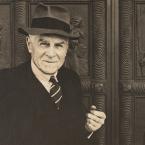
A photograph of a man standing in front of embossed bronze doors

Stained Bronze: About us, but without us
Damien Webb, Manager of Indigenous Engagement, reads an extract from ‘Stained Bronze: About us, but without us’. Written for The Library That Made Me: 200 Years of the State Library of NSW, Damien’s essay delves into the complicated history of the Mitchell Building’s bronze doors.

[{"nid":"555","path":"\/objects-gallery\/etching-plates-norman-lindsay-c-1910s-1920s","field_location_number":"1","field_location_image":"https:\/\/s3.ap-southeast-2.amazonaws.com\/slnsw.audio-guides\/production\/s3fs-public\/styles\/large\/public\/2024-07\/R177%20Copper%20plate%2001_t.jpg?itok=EmmXuFmJ","title":"Etching plates by Norman Lindsay, c 1910s - 1920s","field_ag_locations_color":"","field_audio_media":"","status":"On"},{"nid":"557","path":"\/objects-gallery\/copper-printing-plates-sir-lionel-lindsay-1912-36","field_location_number":"2","field_location_image":"https:\/\/s3.ap-southeast-2.amazonaws.com\/slnsw.audio-guides\/production\/s3fs-public\/styles\/large\/public\/2024-07\/DR254_t.jpg?itok=Jw9J7KR7","title":"Copper printing plates by Sir Lionel Lindsay, 1912\u201336","field_ag_locations_color":"#740658","field_audio_media":"","status":"On"},{"nid":"558","path":"\/objects-gallery\/copper-printing-plates-sir-lionel-lindsay-1910-35","field_location_number":"3","field_location_image":"https:\/\/s3.ap-southeast-2.amazonaws.com\/slnsw.audio-guides\/production\/s3fs-public\/styles\/large\/public\/2024-07\/DR237_t.jpg?itok=Fgt99mmG","title":"Copper printing plates by Sir Lionel Lindsay, 1910\u201335","field_ag_locations_color":"","field_audio_media":"","status":"On"},{"nid":"559","path":"\/objects-gallery\/engraved-plates-william-moffitt-1830-1865","field_location_number":"4","field_location_image":"https:\/\/s3.ap-southeast-2.amazonaws.com\/slnsw.audio-guides\/production\/s3fs-public\/styles\/large\/public\/2024-07\/R178%20Plate%2020_t.jpg?itok=9aWV2afW","title":"Engraved plates by William Moffitt, 1830 - 1865","field_ag_locations_color":"","field_audio_media":"","status":"On"},{"nid":"560","path":"\/objects-gallery\/sextant-c-1800","field_location_number":"5","field_location_image":"https:\/\/s3.ap-southeast-2.amazonaws.com\/slnsw.audio-guides\/production\/s3fs-public\/styles\/large\/public\/2024-06\/SLNSW_FL1133847_t.jpg?itok=GvCfDK4r","title":"Sextant, c\u202f1800 ","field_ag_locations_color":"","field_audio_media":"","status":"On"},{"nid":"561","path":"\/objects-gallery\/trench-art-letter-opener-or-paper-knife-1916-18","field_location_number":"6","field_location_image":"https:\/\/s3.ap-southeast-2.amazonaws.com\/slnsw.audio-guides\/production\/s3fs-public\/styles\/large\/public\/2024-06\/SLNSW_FL6741098_t.jpg?itok=hoDe6SdR","title":"Trench art letter opener or paper knife, 1916\u201318 ","field_ag_locations_color":"","field_audio_media":"","status":"On"},{"nid":"563","path":"\/objects-gallery\/leg-irons-weighing-14-kilograms-prior-1849","field_location_number":"7","field_location_image":"https:\/\/s3.ap-southeast-2.amazonaws.com\/slnsw.audio-guides\/production\/s3fs-public\/styles\/large\/public\/2024-06\/SLNSW_FL3326335_t.jpg?itok=XS8lh-tO","title":"Leg irons, weighing 14 kilograms prior to 1849","field_ag_locations_color":"","field_audio_media":"","status":"On"},{"nid":"562","path":"\/objects-gallery\/two-pairs-manacles-possibly-port-arthur-prior-1849","field_location_number":"8","field_location_image":"https:\/\/s3.ap-southeast-2.amazonaws.com\/slnsw.audio-guides\/production\/s3fs-public\/styles\/large\/public\/2024-06\/SLNSW_FL3246448_t.jpg?itok=TDKvfRJo","title":"Two pairs of manacles, possibly from Port Arthur prior to 1849","field_ag_locations_color":"","field_audio_media":"","status":"On"},{"nid":"565","path":"\/objects-gallery\/bust-william-shakespeare-19th-century","field_location_number":"9","field_location_image":"https:\/\/s3.ap-southeast-2.amazonaws.com\/slnsw.audio-guides\/production\/s3fs-public\/styles\/large\/public\/2024-06\/SLNSW_FL179528_t.jpg?itok=bgSM2SPs","title":"Bust of William Shakespeare 19th century","field_ag_locations_color":"","field_audio_media":"","status":"On"},{"nid":"566","path":"\/objects-gallery\/breast-plates","field_location_number":"10","field_location_image":"https:\/\/s3.ap-southeast-2.amazonaws.com\/slnsw.audio-guides\/production\/s3fs-public\/styles\/large\/public\/2026-03\/Kaaroo%20SLNSW_FL3237014_t.jpg?itok=iz04aFUu","title":"Breast plates","field_ag_locations_color":"","field_audio_media":"","status":"On"},{"nid":"568","path":"\/objects-gallery\/death-mask-henry-lawson-c-1922","field_location_number":"11","field_location_image":"https:\/\/s3.ap-southeast-2.amazonaws.com\/slnsw.audio-guides\/production\/s3fs-public\/styles\/large\/public\/2024-06\/SLNSW_FL3375551.jpg?itok=0YDQ8ukO","title":"Death mask of Henry Lawson, c\u202f1922","field_ag_locations_color":"","field_audio_media":"","status":"On"},{"nid":"567","path":"\/objects-gallery\/cast-henry-lawsons-right-hand-c-1922","field_location_number":"12","field_location_image":"https:\/\/s3.ap-southeast-2.amazonaws.com\/slnsw.audio-guides\/production\/s3fs-public\/styles\/large\/public\/2024-06\/SLNSW_FL16757556_t.jpg?itok=0zx_48v3","title":"Cast of Henry Lawson\u2019s right hand, c\u202f1922","field_ag_locations_color":"","field_audio_media":"","status":"On"},{"nid":"569","path":"\/objects-gallery\/molten-glass-garden-palace-fire-domain-sydney-1882","field_location_number":"13","field_location_image":"https:\/\/s3.ap-southeast-2.amazonaws.com\/slnsw.audio-guides\/production\/s3fs-public\/styles\/large\/public\/2024-06\/SLNSW_FL9151619_t.jpg?itok=f3Gb09mI","title":"Molten glass from Garden Palace fire, Domain, Sydney, 1882","field_ag_locations_color":"","field_audio_media":"","status":"On"},{"nid":"570","path":"\/objects-gallery\/spade-presented-annie-thomasine-parkes-daughter-hon-sir-henry-parkes","field_location_number":"14","field_location_image":"https:\/\/s3.ap-southeast-2.amazonaws.com\/slnsw.audio-guides\/production\/s3fs-public\/styles\/large\/public\/2024-06\/a1281005_t.jpg?itok=LmJTRHhT","title":"Spade presented to Annie Thomasine Parkes, daughter of Hon Sir Henry Parkes","field_ag_locations_color":"","field_audio_media":"","status":"On"},{"nid":"571","path":"\/objects-gallery\/three-spades-presented-hon-ew-osullivan","field_location_number":"15","field_location_image":"https:\/\/s3.ap-southeast-2.amazonaws.com\/slnsw.audio-guides\/production\/s3fs-public\/styles\/large\/public\/2024-07\/SLNSW_FL20792885_t.jpg?itok=iocP2eDA","title":"Three spades presented to Hon EW\u202fO\u2019Sullivan","field_ag_locations_color":"","field_audio_media":"","status":"On"},{"nid":"572","path":"\/objects-gallery\/australia-vase-1906","field_location_number":"16","field_location_image":"https:\/\/s3.ap-southeast-2.amazonaws.com\/slnsw.audio-guides\/production\/s3fs-public\/styles\/large\/public\/2024-06\/SLNSW_FL1145865_t.jpg?itok=DuWhj96s","title":"Australia vase, 1906","field_ag_locations_color":"","field_audio_media":"","status":"On"},{"nid":"574","path":"\/objects-gallery\/candelabrum-presented-sir-francis-forbes-1836","field_location_number":"17","field_location_image":"https:\/\/s3.ap-southeast-2.amazonaws.com\/slnsw.audio-guides\/production\/s3fs-public\/styles\/large\/public\/2024-06\/SLNSW_FL7635125_t_0.jpg?itok=ZQ1mMJKX","title":"Candelabrum presented to Sir\u202fFrancis Forbes, 1836","field_ag_locations_color":"","field_audio_media":"","status":"On"},{"nid":"556","path":"\/object-20-bird-whistles","field_location_number":"18","field_location_image":"https:\/\/s3.ap-southeast-2.amazonaws.com\/slnsw.audio-guides\/production\/s3fs-public\/styles\/large\/public\/2024-07\/SLNSW_FL1000095_t.jpg?itok=1JOYCEMn","title":"Bird whistles, c 1960s","field_ag_locations_color":"","field_audio_media":"","status":"On"},{"nid":"575","path":"\/objects-gallery\/ear-trumpet-owned-writer-ethel-anderson","field_location_number":"19","field_location_image":"https:\/\/s3.ap-southeast-2.amazonaws.com\/slnsw.audio-guides\/production\/s3fs-public\/styles\/large\/public\/2024-06\/SLNSW_FL16046643_t.jpg?itok=BjvgySlh","title":"Ear trumpet owned by writer Ethel Anderson","field_ag_locations_color":"","field_audio_media":"","status":"On"},{"nid":"576","path":"\/objects-gallery\/hairpin-box-owned-dame-nellie-melba-1918","field_location_number":"20","field_location_image":"https:\/\/s3.ap-southeast-2.amazonaws.com\/slnsw.audio-guides\/production\/s3fs-public\/styles\/large\/public\/2024-06\/SLNSW_FL568735_t.jpg?itok=oFGZY41I","title":"Hairpin box owned by Dame Nellie Melba, 1918","field_ag_locations_color":"","field_audio_media":"","status":"On"},{"nid":"578","path":"\/objects-gallery\/sewing-box-or-housewife-possibly-owned-mary-putland","field_location_number":"21","field_location_image":"https:\/\/s3.ap-southeast-2.amazonaws.com\/slnsw.audio-guides\/production\/s3fs-public\/styles\/large\/public\/2024-06\/SLNSW_FL20792706_t.jpg?itok=yTG8lU4i","title":"Sewing box, or \u2018housewife\u2019, possibly owned by Mary Putland","field_ag_locations_color":"","field_audio_media":"","status":"On"},{"nid":"579","path":"\/objects-gallery\/engraved-cigarette-case-presented-major-francis-edward-de-groot-1932","field_location_number":"22","field_location_image":"https:\/\/s3.ap-southeast-2.amazonaws.com\/slnsw.audio-guides\/production\/s3fs-public\/styles\/large\/public\/2024-07\/SLNSW_FL20791453_t.jpg?itok=DCyCj0ov","title":"Engraved cigarette case presented to Major Francis Edward De Groot, 1932","field_ag_locations_color":"","field_audio_media":"","status":"On"},{"nid":"577","path":"\/objects-gallery\/tin-box-issued-australian-war-contingent-association-christmas-1915","field_location_number":"23","field_location_image":"https:\/\/s3.ap-southeast-2.amazonaws.com\/slnsw.audio-guides\/production\/s3fs-public\/styles\/large\/public\/2024-06\/SLNSW_FL1509511_t.jpg?itok=_4q6kuxZ","title":"Tin box issued by Australian War Contingent Association for Christmas 1915","field_ag_locations_color":"","field_audio_media":"","status":"On"},{"nid":"581","path":"\/objects-gallery\/spectacles-owned-journalist-and-political-advisor-george-ernest-morrison-c-1900","field_location_number":"24","field_location_image":"https:\/\/s3.ap-southeast-2.amazonaws.com\/slnsw.audio-guides\/production\/s3fs-public\/styles\/large\/public\/2024-06\/SLNSW_FL1632602_t.jpg?itok=tuV_MRsq","title":"Spectacles owned by journalist and political advisor George Ernest Morrison, c\u202f1900","field_ag_locations_color":"","field_audio_media":"","status":"On"},{"nid":"613","path":"\/objects-gallery\/stained-bronze-about-us-without-us","field_location_number":"25","field_location_image":"https:\/\/s3.ap-southeast-2.amazonaws.com\/slnsw.audio-guides\/production\/s3fs-public\/styles\/large\/public\/2026-03\/PXE945_ct.jpg?itok=Kx0EVdAM","title":"Stained Bronze: About us, but without us","field_ag_locations_color":"","field_audio_media":"124","status":"On"}]
Audio file
Your browser does not support the audio element.
Transcript

I’m Damien Webb, a Palawa man and Manager of Indigenous Engagement at the Library. I wrote about the complicated history of the bronze doors in a book called The Library That Made Me: 200 Years of the State Library of NSW. This is an extract from my essay, ‘Stained Bronze: About us, but without us’.

The massive bronze doors guarding the entrance to the State Library’s Mitchell building seem like timeless sentinels of history and culture, yet have only stood since 1942. Pressed into their metallic surface are dozens of images of Aboriginal people, many drawn from the Library’s photographic collections. These figures have silently witnessed millions of visitors passing over the Library’s threshold, but how many have noticed them? Their complex and troubling history has remained unknown.

The Mitchell building’s bronze portico doors were one of many ambitious projects spearheaded by the notoriously zealous William Herbert Ifould, who was Principal Librarian from 1912 to 1942. During the Second World War, Ifould oversaw major renovations of the Public Library’s Mitchell building, which had opened in 1910.

He believed the Library’s appearance should echo those grand European traditions of architecture, and the sandstone columns and rococo design elements incorporated into his renovations enlarged on the neo-classical themes of 30 years earlier. Given this preoccupation, it seems a curious anomaly to depict Aboriginal people on the decorative doors.

In August 1939 Sir William Dixson, one of the Library’s major benefactors, approved Ifould’s idea of including Aboriginal people in the designs for the doors. ‘Americans have displayed the American Indian in bronze,’ Ifould stated ahead of the building’s opening, ‘and it is time we did the same for the aboriginal, the most interesting native in the world’.

Renowned sculptor Daphne Mayo, one of Australia’s pioneering women artists from the 20th century, was commissioned to create the bronze reliefs for the eastern doors. Initially, she envisioned a more dynamic design. Ifould quickly rejected her approach, insisting that the reliefs adhere more closely to his chosen photographs.

Wherever possible, Ifould tried to use the Library’s collections as the source of images of Aboriginal people to be depicted on the doors. He tasked his team of librarians, led by Nita Kibble — the very first woman employed by the Library — with the responsibility of identifying suitable images of Aboriginal people, specifically those depicting cultural activities, [as he put it] ‘showing the domestic life, fighting, corroborees and the food gathering of our natives’.

Ifould’s vision was heavily influenced by the prevailing colonial attitudes of the time. It was believed that Aboriginal people existed in their ‘purest’ and most ‘wild’ state in the remote deserts and regions of Central Australia. This stereotype has persisted since colonisation and was particularly pronounced in the decades following Federation, as government policies shifted from outright extermination to assimilation. This perspective ignores the trauma and displacement experienced by Aboriginal people in urban areas, who were often viewed as ‘failing’ to assimilate and were held in lower regard than their counterparts in remote areas, who were romanticised in fiction, ethnography and paintings as the ‘noble savage’.

This omission of Aboriginal people from the Sydney region is particularly jarring when we consider the historical context. In 1938, just a few blocks from the Library, Aboriginal activists held the Day of Mourning protest, a powerful demonstration against the injustices and ongoing dispossession they faced. Instead of engaging with the lived experiences of Aboriginal people in Sydney, Ifould looked further afield, perpetuating a romanticised and ethnographic portrayal of Aboriginal peoples and cultures.

Plucking Aboriginal people out of photographs and combining mismatching elements for the adornment of doors is deeply offensive and reductive, and suggests that actual Aboriginal cultures mattered far less than non-Aboriginal people’s depictions of them. Even at the time, anthropologists like Fred McCarthy from the Australian Museum expressed concerns about inaccuracies and misrepresentations in the final reliefs. If these issues were evident in 1942, they should be even more apparent to us today, prompting a critical re-evaluation of the doors and their legacy.

Our ancestors and kin were cast as relics of ancient history even while our culture continued, breathed and adapted. It feels like a profound insult and a theft of our present, enacted by those who benefited from our ongoing destruction. These doors may have been intended as a tribute, but they are instead a stark reminder of the white gaze. No different from the countless other depictions of our peoples from that era that fill the Library’s archives; often created and curated without our input.

One of the advantages of working at the State Library of New South Wales is access to a vast collection of historical documents. This allowed me to embark on a journey to reconstruct the research process behind the creation of the bronze doors. I particularly wanted to find the images that were given to the sculptors for reference. My task became a kind of treasure hunt, navigating the archives. I was able to compile a shortlist of likely sources for the reference images. It is perhaps fortunate, though not entirely coincidental, that many of these photographs are part of the State Library’s own collection, acquired long before the doors were conceived.

My search led me to a collection of photographs taken by the South Australian anthropologist Herbert Basedow in the 1920s and 30s. These images, while visually stunning and historically significant, are problematic to put it mildly. Taken through an ethnographic lens, at a time before the concept of informed consent existed, these images raise ethical concerns about the exploitation and objectification of Aboriginal subjects.

The significance of the bronze doors struck me with renewed force. These were not merely symbolic representations or idealised figures; they were recreations of photographs of people who had lived and breathed, who had families and stories of their own. These people had never been consulted about their inclusion in this grand artistic endeavour, nor had they been informed that their images would be immortalised in bronze and displayed for generations to come. It is conceivable that they would have been proud to have their culture and ancestors represented in the design of the Library, but the lack of consultation and informed consent casts a long shadow over this gesture.

It is clear from my time with these images and the process of piecing the history of these bronze doors together that something needs to change. At the very least, several of these depictions are not appropriate and violate decades-long best practice around cultural safety and Aboriginal cultural and intellectual property. Does their artistic merit warrant this violation? Is taking them down hiding history rather than facing the truth? There are no easy answers to these questions.

The Library’s 200th anniversary is a point to stop and reflect. To think about what we have inherited and what we want to pass on. The Library is not a passive receptacle for the past but a moving feast of curiosity, bias, power and stories.

Mob in post-referendum Australia are very much focused on truth-telling and the role of the Library in leading this charge should be obvious. While we may have moved from frontier wars to culture wars, there remains a simple and unchangeable truth: mob have always been here and we always will be. Perhaps it’s time to reflect this in something even more complex than a bronze front door.

Curators/Speakers
Damien Webb (He/Him)
Topic Title

Stained Bronze: About us, but without us

External Links
View catalogue record
Buy the book: The Library that made me